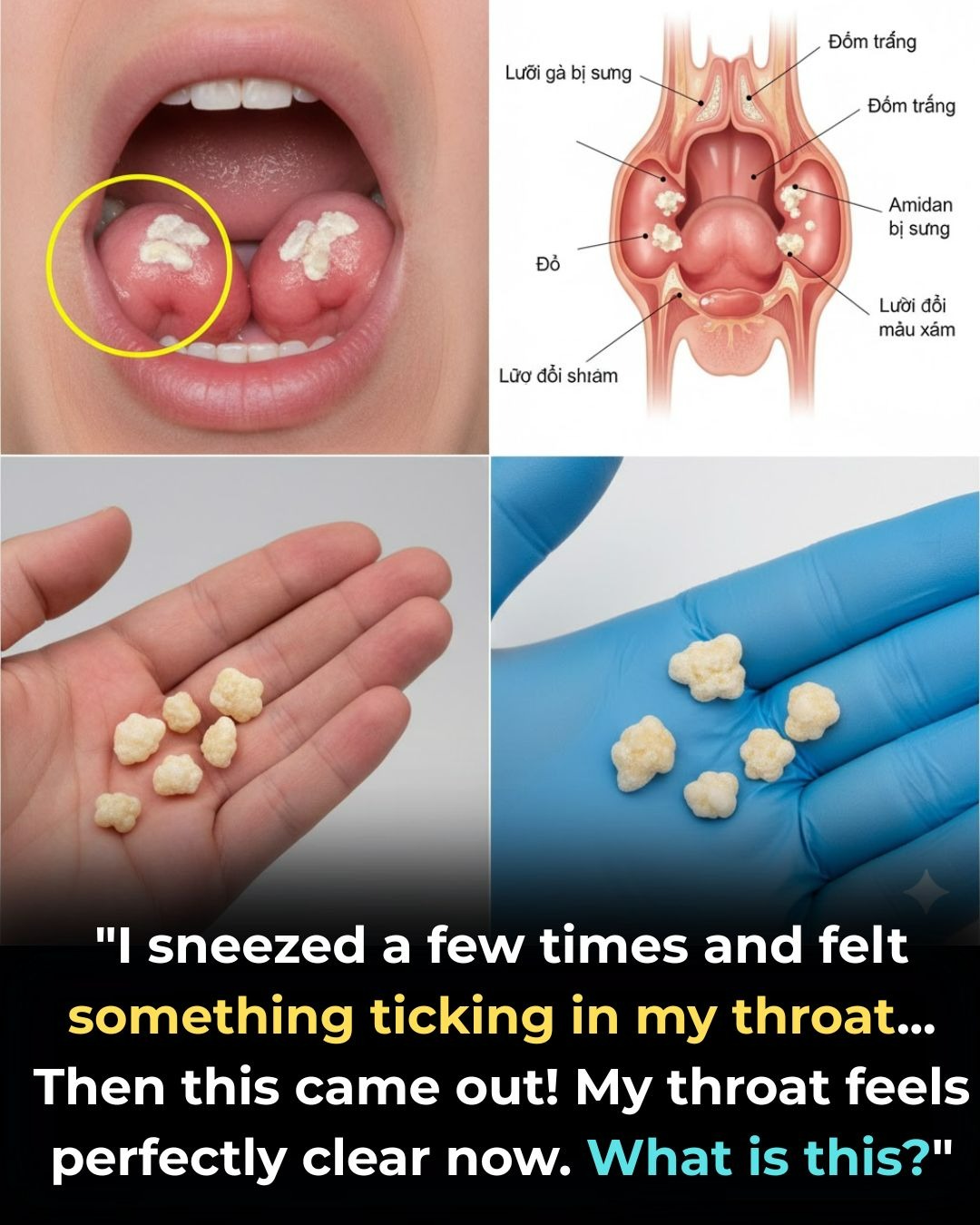
If you’ve ever noticed a persistent bad taste in your mouth, unexplained bad breath, or small white lumps near the back of your throat, you may have experienced tonsil stones. While they can be unpleasant and sometimes embarrassing, tonsil stones are surprisingly common and usually harmless.
Also known as tonsilloliths, tonsil stones form when debris such as food particles, dead cells, mucus, and bacteria become trapped in the tiny crevices of the tonsils. Over time, this material hardens and calcifies, creating small stone-like formations that can vary in size from barely noticeable to large enough to cause discomfort.
Why Tonsil Stones Are So Common
The structure of the tonsils is one of the main reasons tonsil stones develop. Tonsils contain natural folds and pockets called crypts, which can easily trap debris. Some people naturally have deeper tonsil crypts, making them more prone to recurring tonsil stones.
Poor oral hygiene can increase the likelihood of developing them, but even people with good dental habits may still experience the condition. Chronic sinus issues, postnasal drip, allergies, and frequent throat infections can also contribute to buildup in the tonsils.
Many individuals never realize they have tonsil stones because the symptoms can be subtle or mistaken for other oral health problems.
Common Symptoms to Watch For
One of the most recognizable signs of tonsil stones is persistent bad breath, medically known as halitosis. This happens because bacteria trapped inside the stones produce sulfur compounds that create a strong odor.
Other symptoms may include:
- A sore or irritated throat
- Difficulty swallowing
- A feeling that something is stuck in the throat
- Ear pain without an ear infection
- Visible white or yellow formations on the tonsils
- An unpleasant metallic taste in the mouth
In some cases, larger tonsil stones can trigger coughing or mild swelling around the tonsils.
Are Tonsil Stones Dangerous?
For most people, tonsil stones are not considered dangerous. They are generally more of a nuisance than a serious health issue. However, recurring or large stones can affect quality of life, especially if they cause chronic bad breath or discomfort.
Occasionally, untreated buildup may contribute to inflammation or infection in the tonsils. If symptoms become severe, frequent, or painful, consulting a healthcare provider is recommended.
How Tonsil Stones Are Removed
Small tonsil stones often dislodge on their own through coughing, sneezing, or gargling. Many people use saltwater rinses to loosen debris and reduce bacteria in the mouth.
Maintaining strong oral hygiene is one of the most effective ways to prevent future stones. This includes brushing twice daily, flossing regularly, cleaning the tongue, and staying hydrated.
Some people use water flossers or cotton swabs to remove visible stones at home, though care should be taken to avoid injuring the tonsils. For recurring or severe cases, medical professionals may recommend specialized treatments, including laser procedures to reduce tonsil crypts or, in rare situations, tonsil removal surgery.
Preventing Future Tonsil Stones
Preventing tonsil stones often comes down to reducing bacteria and debris in the mouth and throat. Drinking more water, limiting smoking, and treating chronic sinus problems may help lower the risk.
Using an alcohol-free mouthwash can also support oral health without drying out the mouth. Regular dental checkups are important because bacteria linked to poor dental hygiene may contribute to stone formation.
Although tonsil stones can be frustrating, they are usually manageable with consistent care and attention to oral hygiene. Understanding the causes and symptoms can help people address the issue early and avoid unnecessary discomfort.