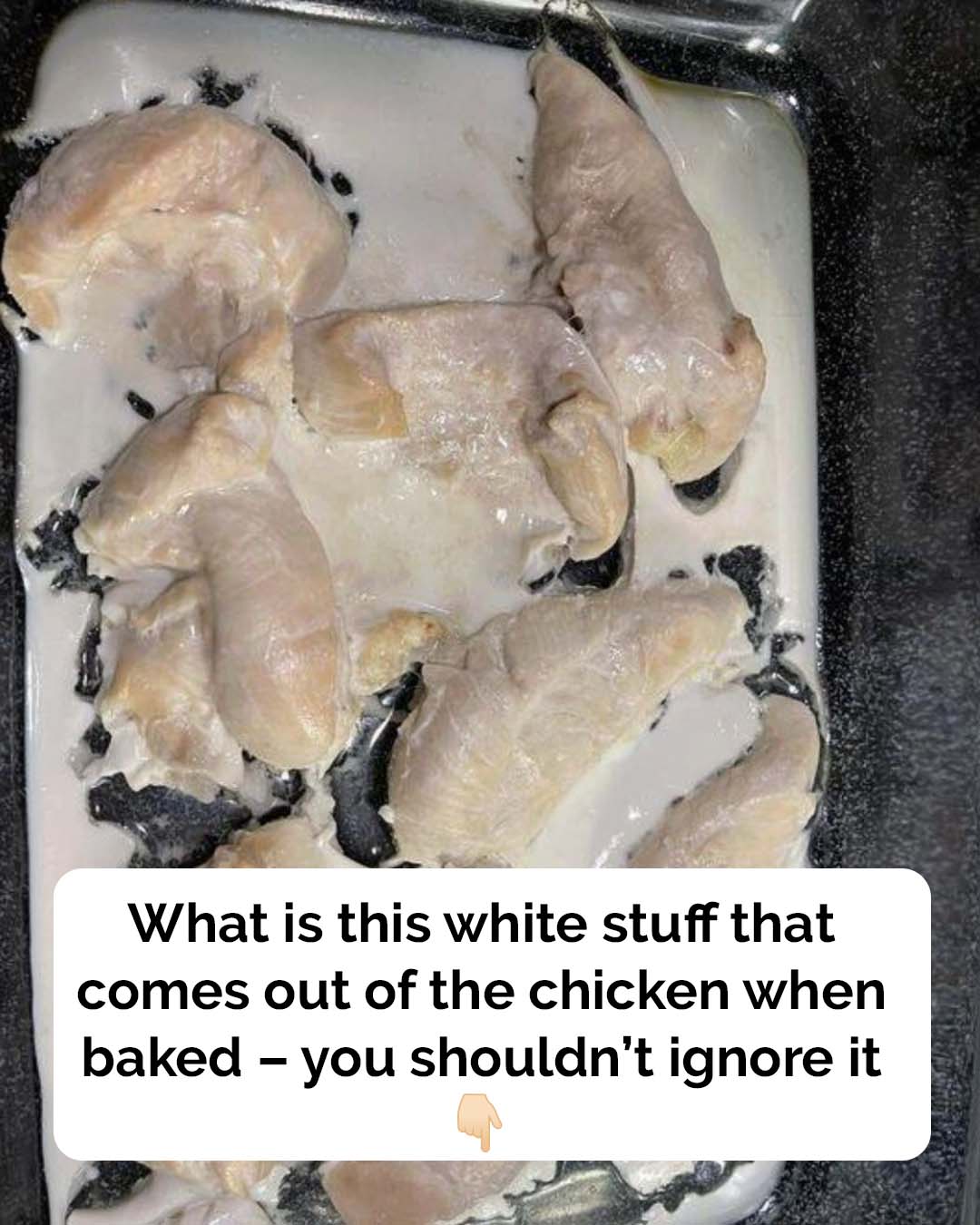
If you’ve ever baked chicken and noticed a strange white substance oozing out of the meat, you’re definitely not alone. Many home cooks are surprised or even concerned the first time they see it. Fortunately, the white material is usually harmless and completely normal.
This odd-looking substance commonly appears when chicken breasts are cooked at high temperatures or for extended periods. While it may not look appetizing, it doesn’t necessarily mean the chicken is spoiled or unsafe to eat.
What the White Substance Actually Is
The white goo that appears during cooking is primarily a combination of protein and water. As chicken heats up, the muscle fibers contract and push out liquid. The proteins in that liquid then solidify, creating the thick white material people often notice on the surface of the meat.
This process is similar to what happens when you cook eggs. Heat changes the structure of proteins, causing them to firm up and change color.
The phenomenon is especially common with boneless, skinless chicken breasts because they are lean and contain a high amount of protein.
Why It Happens More With Some Chicken
Several factors can increase the amount of white protein released during cooking.
High Cooking Temperatures
Cooking chicken at very high heat can force moisture out more quickly, which leads to more visible protein buildup. Baking, roasting, grilling, or air frying at aggressive temperatures often makes the white substance more noticeable.
Frozen and Thawed Chicken
Chicken that has been frozen and later thawed may release more liquid during cooking. Ice crystals formed during freezing can damage muscle fibers, allowing additional moisture and protein to escape once heated.
Overcooking
Overcooked chicken tends to squeeze out more moisture, resulting in larger amounts of the white material. This is one reason dry chicken breasts often have more visible protein residue.