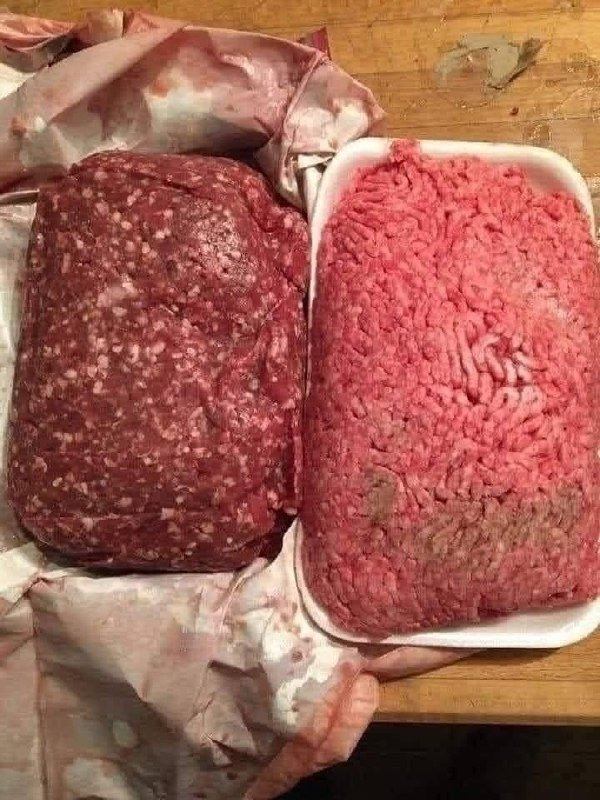
Walking through the meat section of a supermarket can feel overwhelming. Labels like “natural,” “farm fresh,” “premium,” and “organic” appear everywhere, making it difficult for shoppers to know exactly what they’re buying. Many consumers assume all packaged meat is the same, but the truth is that important differences in sourcing, processing, and labeling can affect quality, nutrition, and price.
Understanding how supermarket meat is marketed can help shoppers make smarter decisions and avoid paying more for products that may not match their expectations.
What Many Shoppers Don’t Realize
One of the biggest misconceptions is that all meat sold in grocery stores comes directly from small local farms. In reality, much of the meat available in major supermarkets is mass-produced through large-scale industrial farming systems.
Packaging and marketing often emphasize rustic imagery, green fields, and family farms, even when the product comes from high-volume processing facilities. While this does not automatically mean the meat is unsafe, it can create confusion about quality and production methods.
Consumers who want more transparency are increasingly paying closer attention to labels, sourcing information, and certifications.
Understanding Common Meat Labels
Supermarket packaging can include a wide range of terms that sound impressive but may not always mean what shoppers think.
“Natural”
In many cases, “natural” simply means the meat contains minimal artificial ingredients or preservatives after processing. It does not necessarily indicate how the animal was raised or fed.
“Organic”
Organic meat must meet stricter federal standards regarding feed, antibiotics, and farming practices. Because of these regulations, organic products are usually more expensive.
“Grass-Fed”
Grass-fed beef generally comes from cattle raised primarily on grass instead of grain-based diets. Some consumers prefer it for taste or nutritional reasons, though standards can vary.
“Free-Range”
This label is most commonly used for poultry and indicates the animals had some access to outdoor areas. However, the amount and quality of outdoor access may differ significantly between producers.