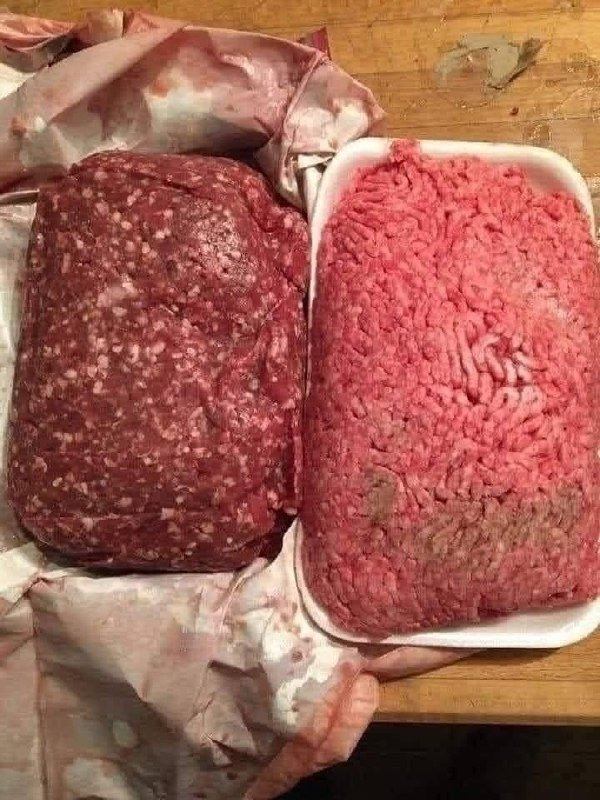
Many shoppers notice major price differences between similar-looking cuts of meat. Factors influencing price include:
- Farming methods
- Feed quality
- Processing standards
- Transportation costs
- Brand marketing
- Organic certifications
- Local versus imported sourcing
Higher prices do not always guarantee better quality, but cheaper products may involve different production methods that some consumers prefer to avoid.
The Growing Demand for Transparency
In recent years, American consumers have become more interested in where their food comes from. Concerns about animal welfare, additives, sustainability, and food quality have fueled demand for local farms, butcher shops, and traceable supply chains.
Some shoppers now prefer buying directly from local farmers or specialty butchers because they can ask questions about sourcing and production practices. Farmers markets and subscription meat services have also grown in popularity.
At the same time, supermarkets have responded by offering expanded selections of organic, grass-fed, and antibiotic-free products.
Tips for Buying Better Meat
Consumers looking for higher-quality meat can benefit from reading labels carefully and researching trusted brands. Looking for clear sourcing information and third-party certifications may provide additional confidence.
Other helpful tips include:
- Comparing ingredient lists
- Checking packaging dates
- Choosing cuts with consistent color and texture
- Buying from reputable stores with strong food safety practices
Speaking with the butcher department can also help shoppers better understand available options.
Making More Informed Choices
Supermarket meat isn’t necessarily bad, but marketing claims can sometimes make products seem more premium or farm-fresh than they actually are. Understanding labeling, sourcing, and processing practices allows consumers to make decisions that align with their budget, health goals, and personal preferences.
The more informed shoppers become, the easier it is to avoid confusion and choose products with confidence.